O Panamá pode oferecer uma vida urbana conectada, acesso a serviços e uma grande variedade de paisagens, mas não existe um custo de vida único aplicável a todas as pessoas. O INEC registrou uma variação anual do IPC de 2,8 % em setembro de 2026, enquanto a variação anual de 2025 em relação a 2024 foi de -0,1 %. São indicadores gerais de preços, não um orçamento mensal para uma família ou para uma pessoa estrangeira. Para se orientar, também convém olhar serviços concretos: o transporte público da capital integra Metrô e Metrobus, o MINSA mantém um diretório de instalações de saúde e o MEDUCA publica informações sobre centros educacionais. O Panamá pode ser uma opção para profissionais, famílias, aposentados e pessoas que trabalham remotamente, mas a escolha da cidade e da moradia muda muito a experiência. Antes de se mudar, é recomendável comparar bairros, aluguéis, transporte, atendimento médico e escolas de acordo com as necessidades pessoais.
O que significa ter uma boa qualidade de vida no Panamá?
A qualidade de vida não depende de um único dado. Inclui o orçamento disponível, o tempo de deslocamento, o acesso a atendimento médico, as opções educacionais, a segurança da área onde se vive e a proximidade de atividades e serviços. No Panamá, esses fatores podem variar bastante entre a Cidade do Panamá, as cidades do interior e as comunidades costeiras ou rurais.
A capital concentra uma maior oferta de transporte, centros médicos, comércios, restaurantes e atividades culturais. Em outras províncias, algumas pessoas priorizam a tranquilidade, a proximidade da natureza ou um ritmo mais pausado, embora possa haver menos opções de transporte e serviços especializados. Por isso, escolher “Panamá” como destino não basta: a decisão prática é escolher onde viver e quais serviços são necessários por perto.
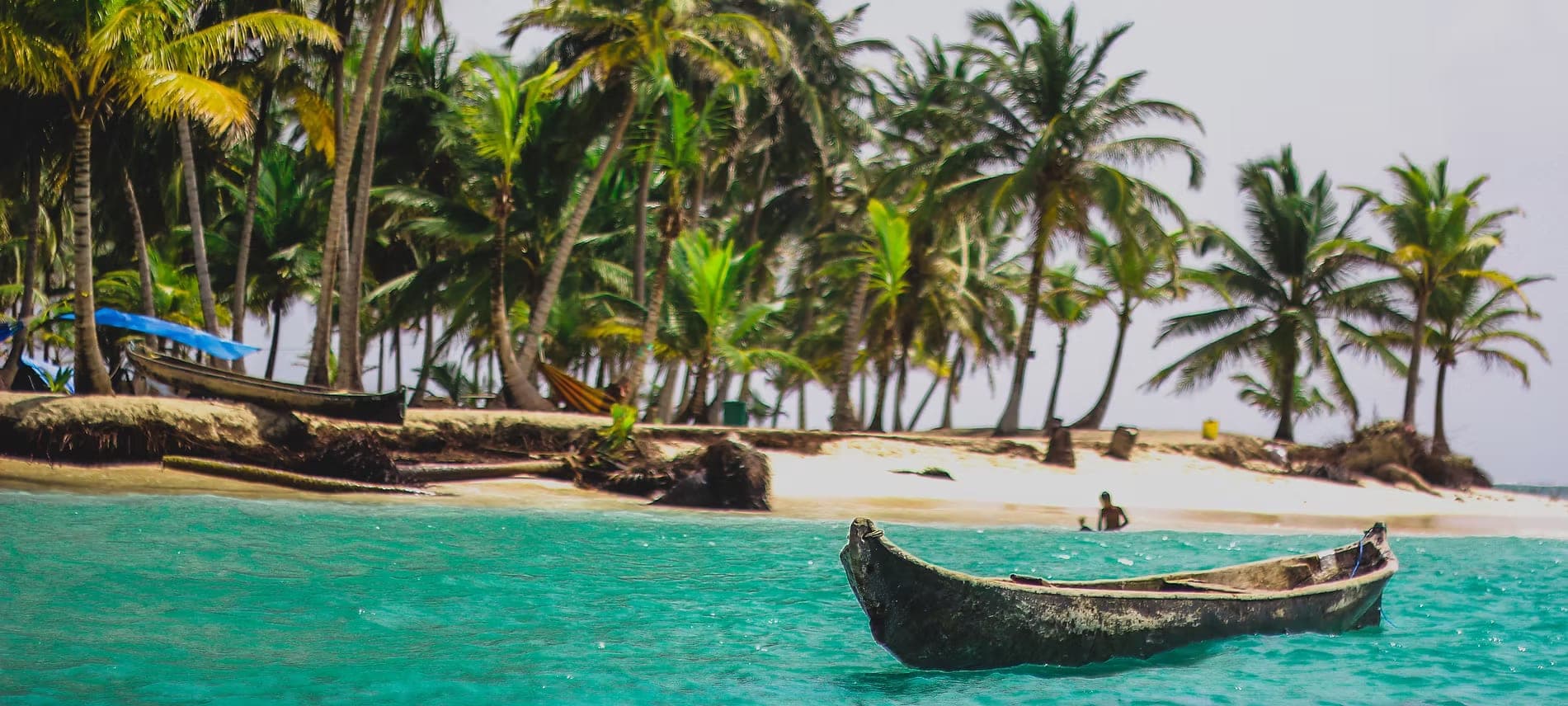
A diversidade natural é uma parte importante do estilo de vida do país. Em uma publicação de 2025, o Ministério do Meio Ambiente indicou que o mapa oficial de cobertura florestal registra 61,4 % de cobertura de floresta no território nacional. A mesma fonte destaca que o Panamá reúne ecossistemas terrestres e marinhos em duas costas. Essa riqueza permite desfrutar de parques e áreas naturais, sempre respeitando suas normas de acesso e conservação.
Quanto custa viver no Panamá?
Não é responsável resumir o custo de vida em um único valor sem saber se se trata de uma pessoa ou de uma família, se se aluga ou se compra moradia e se se vive na capital ou em outra região. Os dados do INEC sobre o índice de preços ao consumidor (IPC) mostram como mudam os preços de uma cesta de bens e serviços ao longo do tempo; não indicam quanto cada domicílio pagará por aluguel, escola, seguro de saúde ou transporte. Além disso, a renda local também importa ao avaliar o custo. A pesquisa de emprego do INEC de agosto de 2026 registrou uma taxa de desemprego nacional de 8,5 % e uma taxa de informalidade de 45,8 % no emprego não agrícola. Esses dados não determinam o orçamento de uma pessoa estrangeira, mas lembram que o poder de compra e as condições de trabalho variam muito entre os domicílios.
O dólar americano é de uso corrente e o balboa mantém equivalência de um para um com o dólar. Isso facilita para muitas pessoas planejar seus gastos se já recebem rendimentos em dólares. No entanto, não elimina a necessidade de orçamento: os preços de moradia, educação, saúde privada, eletricidade e transporte podem variar conforme a localização e o tipo de serviço.
| Indicador ou gasto | Referência oficial disponível | Como interpretá-la |
|---|---|---|
| Variação de preços | IPC anual: 2,8 % em setembro de 2026 | Mede a mudança geral de preços, não o orçamento de uma família |
| Moradia | Não há um preço nacional único que descreva todos os aluguéis | Compare imóveis por bairro, tamanho, serviços e contrato |
| Transporte público | A ATTT publicou para estudantes em 2026 tarifas de B/.0,17 no Metrô Linha 1 e B/.0,25 na Linha 2 | São tarifas estudantis com condições e vigência definidas; não devem ser tomadas como tarifa geral |
| Saúde | O MINSA oferece um diretório público de instalações e serviços | Verifique quais instalações e especialidades existem perto da zona escolhida |
| Educação | O MEDUCA publica informações sobre a rede e os centros educacionais | Confirme localização, oferta, vagas, calendário e modalidade diretamente com cada centro |
A tarifa estudantil citada pela ATTT esteve ligada ao benefício escolar de 2026, com vigência de 2 de março a 11 de dezembro. Serve como referência de uma tarifa pública específica, não como estimativa do gasto mensal de transporte de um adulto.
Como são a infraestrutura e o transporte?
A Cidade do Panamá dispõe de transporte público integrado com linhas de Metrô e Metrobus. Essas opções podem ser úteis para quem mora e trabalha perto de seus trajetos, mas nem todas as zonas residenciais têm o mesmo acesso. Antes de alugar ou comprar, convém localizar a estação mais próxima, revisar as rotas necessárias e calcular o tempo de deslocamento em horários habituais.
Para viajar por estrada, a Rodovia Pan-Americana conecta diversas zonas do país. No entanto, a infraestrutura está em constante manutenção e ampliação. Em 2026, o Ministério de Obras Públicas relatou obras de reabilitação em trechos da Panamericana Oeste e trabalhos na estrada David–Viguí. Isso pode melhorar a conectividade a longo prazo, mas também significa que os tempos de viagem podem ser afetados por obras, trânsito ou condições da via. O aeroporto internacional de Tocumen oferece conexões com destinos regionais e internacionais. Para a vida cotidiana, porém, é melhor avaliar separadamente o acesso ao aeroporto e a mobilidade habitual: estar perto de um aeroporto não significa necessariamente ter transporte conveniente para ir ao trabalho, à escola ou ao médico.
Quais são as opções de saúde e educação?
O sistema público de saúde é composto por instalações do Ministério da Saúde e da Caixa de Seguro Social (CSS), além de prestadores privados. O diretório do MINSA permite consultar centros de saúde e instalações por localização. Em 2026, o Ministério anunciou um plano de investimento próximo a B/.1.000 milhões para construir, reabilitar e modernizar hospitais, centros de saúde e policentros em diferentes regiões. Trata-se de um plano anunciado para fortalecer a rede, não de uma garantia de que todos os serviços estejam disponíveis imediatamente em cada comunidade.
As famílias que se mudam com filhos devem comparar as opções educacionais com antecedência. O MEDUCA publica informações do sistema oficial e autoriza o funcionamento de centros educacionais particulares. Existem centros bilíngues e programas internacionais, mas a oferta, o idioma, as vagas, o calendário e os custos variam de uma instituição para outra.
O Panamá é um país seguro?
Não convém descrever o país inteiro como uniformemente seguro ou inseguro. A experiência muda conforme a província, o distrito, o bairro, o horário e as rotinas pessoais. Também é importante distinguir entre percepção de segurança e estatísticas oficiais: os números de delitos descrevem fatos denunciados e registrados, mas não substituem uma avaliação do lugar específico onde se planeja viver.
O INEC publica estatísticas de justiça e delitos, que podem ser consultadas como referência nacional e territorial. Antes de escolher moradia, é prudente percorrer a zona durante o dia e à noite, revisar as rotas até o trabalho ou a escola, perguntar sobre o acesso ao transporte e consultar as recomendações das autoridades. Áreas remotas e zonas urbanas não devem ser avaliadas com a mesma generalização.
O que o Panamá oferece para o lazer e a vida ao ar livre?
Uma vantagem prática de viver no Panamá é a variedade de atividades disponíveis: praias do Pacífico e do Caribe, trilhas, observação de aves, parques nacionais e atividades aquáticas. O Ministério do Meio Ambiente administra áreas protegidas e publica informações para visitantes, incluindo horários e regras de acesso. Algumas zonas exigem registro, pagamento de entrada ou coordenação prévia, por isso é conveniente verificar as condições antes de viajar.
A vida cultural e social também se concentra de forma desigual. A Cidade do Panamá oferece museus, restaurantes, eventos, shoppings e atividades de negócios. No interior, as feiras, festividades locais e atividades ao ar livre podem ser mais visíveis no dia a dia. A Autoridade de Turismo do Panamá relatou que, no primeiro semestre de 2026, chegaram 1.755.998 visitantes internacionais e que o país foi sede de 74 eventos internacionais entre janeiro e junho. São números de atividade turística, não uma medida direta de qualidade de vida, mas mostram a variedade de eventos e serviços organizados no país.
Como avaliar se o Panamá combina com o seu estilo de vida?
Antes de tomar uma decisão, organize a avaliação em etapas concretas:
- Defina suas prioridades. Decida se valoriza mais o transporte público, o acesso a hospitais, as escolas, a natureza, a vida cultural ou a tranquilidade.
- Compare localizações. Avalie a capital, as cidades do interior e as zonas costeiras considerando seus serviços, distâncias e conectividade.
- Prepare um orçamento pessoal. Inclua aluguel ou financiamento, serviços, transporte, alimentação, saúde, educação e viagens.
- Verifique os serviços disponíveis. Use os diretórios oficiais do MINSA e do MEDUCA, e revise as rotas de transporte e as obras viárias.
- Visite os bairros antes de se comprometer. Faça percursos em diferentes horários e teste os trajetos que usaria com frequência.
- Consulte dados oficiais recentes. O IPC, os indicadores de emprego, as estatísticas de segurança e as publicações setoriais podem mudar; confira a data de cada dado.
Que erros convém evitar ao comparar a qualidade de vida?
- Supor que o Panamá é barato para todo mundo. O gasto depende da moradia, da localização e dos serviços escolhidos.
- Usar o IPC como se fosse um orçamento. É um indicador de variação de preços, não uma lista de gastos mensais individuais.
- Confundir a tarifa estudantil com a tarifa geral de transporte. Os benefícios da ATTT têm condições e período de vigência.
- Escolher uma zona apenas por fotos ou pela reputação. Verifique o entorno, os serviços próximos e os deslocamentos cotidianos.
- Dar por certo que a oferta médica ou educacional é igual em todas as províncias. Revise instalações, especialidades, autorizações e vagas.
- Afirmar que o país inteiro é seguro ou perigoso. Avalie os dados oficiais e as condições de cada zona específica.
Quais são as perguntas frequentes de quem pensa em se mudar para o Panamá?
É barato viver no Panamá?
Não existe uma resposta universal. Os dados do INEC permitem observar a variação de preços, mas o orçamento muda conforme a cidade, o aluguel, o tamanho do domicílio e o estilo de vida.
O dólar é a moeda do Panamá?
O dólar americano é de uso corrente e tem curso legal. O balboa mantém equivalência de um para um com o dólar, de acordo com as informações do MEF.
É possível viver na Cidade do Panamá sem carro?
Depende do bairro e dos trajetos habituais. A capital tem Metrô e Metrobus, mas o conforto de viver sem carro depende da proximidade das estações, das rotas e dos serviços necessários.
Há atendimento médico fora da capital?
Sim. O MINSA mantém instalações em diferentes regiões. A disponibilidade de especialistas, hospitais e serviços específicos varia; convém consultar o diretório oficial da zona de interesse.
Há escolas bilíngues e internacionais?
O MEDUCA publica informações sobre centros educacionais e regula as escolas particulares. A disponibilidade de programas, idiomas, vagas e calendários deve ser confirmada diretamente com cada instituição.
O Panamá é seguro para famílias?
A segurança depende da área e das circunstâncias. Consulte estatísticas oficiais, visite os bairros e avalie rotas e rotinas concretas antes de escolher onde morar.
Está pensando em se mudar para o Panamá?
A qualidade de vida também depende de escolher bem onde viver e de preparar a instalação com antecedência. Na Panama Contact podemos orientá-lo sobre residência, moradia e outros serviços para se estabelecer no país. Reserve uma consulta gratuita para conversar sobre o seu projeto.
A qualidade de vida no Panamá pode ser muito diferente de uma pessoa para outra. A melhor forma de avaliá-la é confrontar os números oficiais com as necessidades reais de moradia, trabalho, família, mobilidade e saúde, e visitar as zonas consideradas antes de decidir.